

Good day!
Over the past year, global trade has adjusted to what was initially expected to be a temporary disruption. However, ongoing instability across key Middle Eastern shipping corridors continues to place pressure on global logistics networks, fuel markets, and supply chain planning.
Shipping Routes Under Pressure


While the immediate shock of the Red Sea and Strait of Hormuz disruptions dominated headlines earlier in the year, the long-term effects are now becoming more visible across international trade. Shipping delays, congestion at major ports, rising transportation costs, and volatile fuel pricing have increasingly become part of the operational reality for importers and exporters worldwide.
For industries reliant on bulk raw materials and international freight movement, these conditions continue to reshape planning, procurement, and delivery timelines.
At IMD, we believe it is important to keep our customers informed about the broader market environment and how these developments continue to influence global mineral distribution.
Key Figures at a Glance
- 10-14 days added to many Asia-Europe shipping routes due to Cape rerouting
- 57% drop in Suez Canal transits compared to pre-crisis levels
- 20% of the global oil supply still moves through the Strait of Hormuz
- 25-40% higher freight rates on major Asia–Europe trade lanes versus pre-2024 averages
- Below 60% schedule reliability across global container shipping networks
- Elevated war-risk insurance premiums continue to impact shipping costs
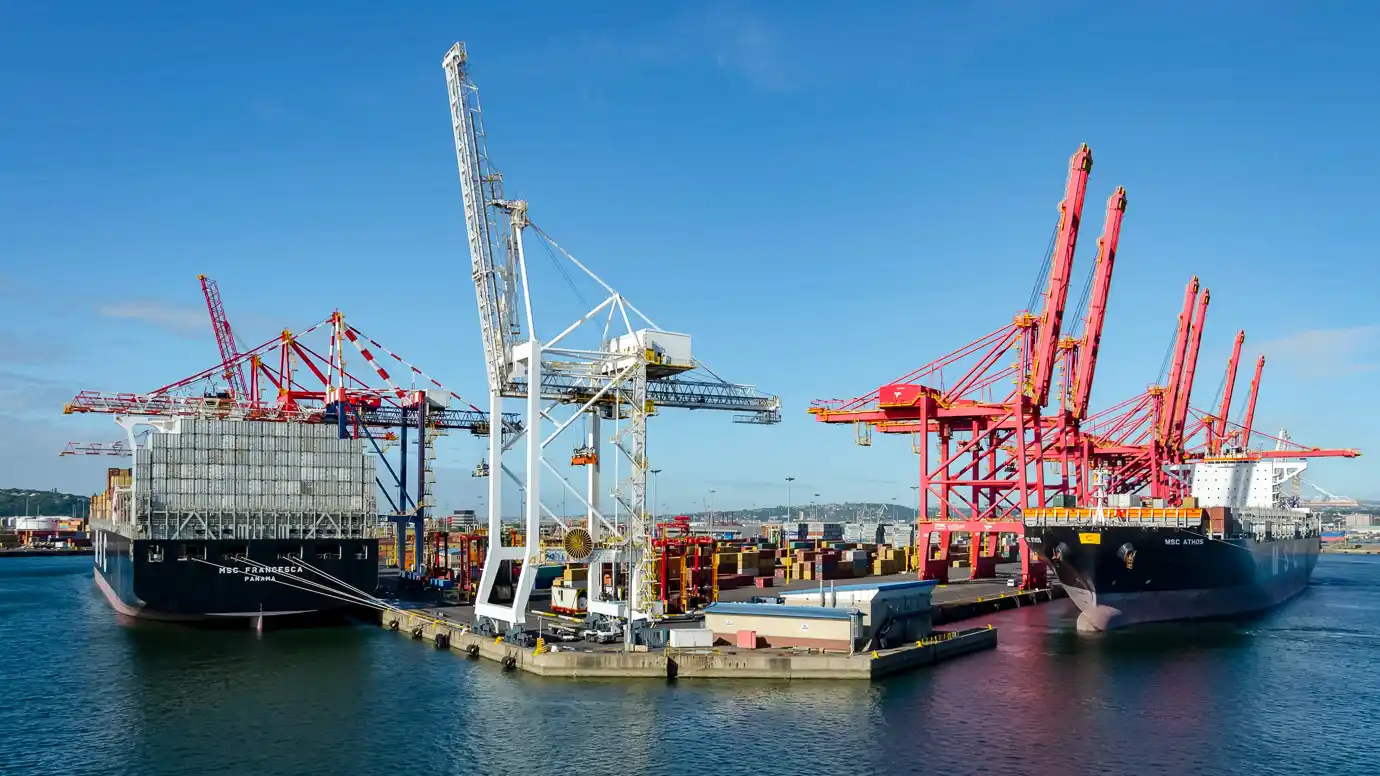
- Ongoing congestion at ports, including Singapore and Durban
- Freight disruption expected through 2027, according to industry analysts
Rising Fuel Costs Drive Freight Price Volatility
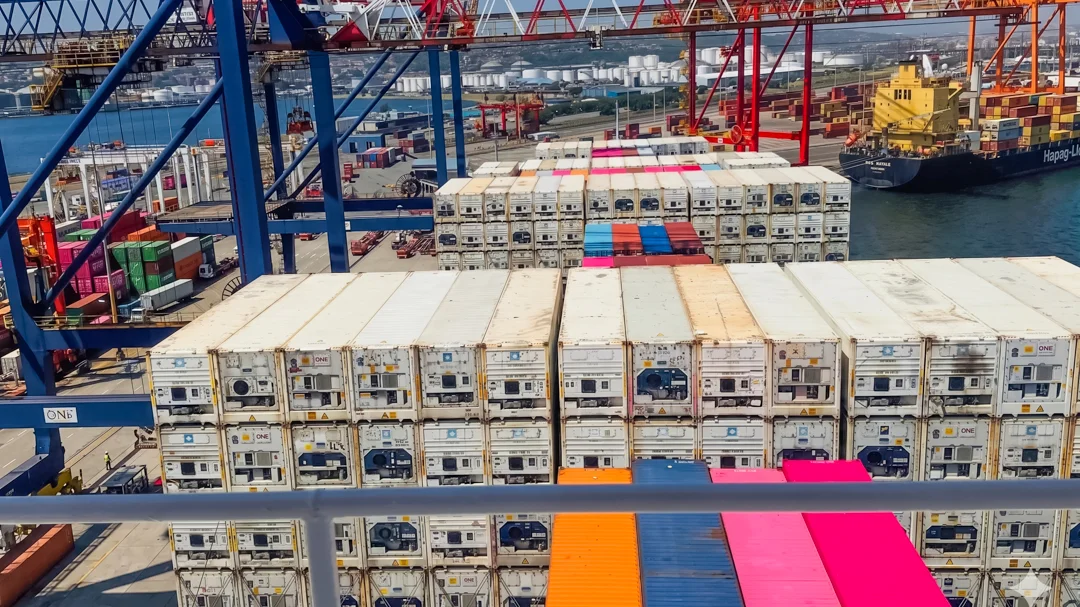

Although some commercial traffic has gradually returned to the Red Sea corridor, many major shipping carriers continue to reroute vessels around South Africa’s Cape of Good Hope to minimise operational and security risks.
This alternative route adds significant time and cost to global shipping movements. Depending on the trade lane, voyages between Asia and Europe can still experience delays of between 10 and 14 days compared to previous transit schedules.
The longer routing has also contributed to increased congestion at several major international ports and trans-shipment hubs. Singapore, Durban, and Mediterranean ports continue to experience operational strain as shipping schedules become less predictable and vessel arrivals bunch together.
Industry analysts report that global container schedule reliability remains below historical averages, with ongoing delays affecting inventory planning and delivery commitments across multiple sectors.
Key Shipping Developments
- Many Asia-Europe services continue to avoid the Red Sea corridor entirely
- Cape of Good Hope rerouting remains common across major shipping networks
- Port congestion and vessel waiting times continue to impact schedule reliability
- Container repositioning challenges remain visible in export-driven markets
- Shipping carriers continue to implement disruption-related surcharges
The result is a logistics environment where flexibility and forward planning have become increasingly important for businesses dependent on international freight.
Focus from Efficiency to Supply Chain Resilience


Fuel remains one of the most significant cost drivers in global shipping and logistics.
Although oil prices have stabilised somewhat compared to the sharp spikes seen earlier in the conflict, ongoing geopolitical uncertainty continues to create volatility across energy markets. Marine fuel prices remain elevated compared to pre-crisis averages, while diesel price fluctuations continue to place pressure on road freight and inland transport costs. This limits sea freight alternatives even further as fuel prices increase.
These increases affect more than just ocean freight. Warehousing, trucking, container handling, and distribution networks all experience secondary cost pressure when fuel markets become unstable.
Shipping lines have continued applying bunker adjustment factors, war-risk premiums, and operational surcharges across various trade routes. In many cases, these additional costs ultimately move through the supply chain to manufacturers, importers, exporters, and end users.
For businesses managing international procurement, one of the greatest challenges has not simply been higher costs, but the unpredictability of those costs. Budgeting and forecasting have become significantly more difficult in an environment where freight and fuel pricing can shift rapidly within short periods of time.
What Businesses Can Expect Moving Forward


One of the clearest developments emerging from the current market environment is the shift in how businesses approach supply chain planning.
Many companies are now prioritising resilience and flexibility. Businesses across manufacturing, mining, chemicals, and industrial processing sectors have increasingly started building larger inventory buffers and extending procurement timelines to reduce exposure to shipping disruptions.
There has also been growing interest in supplier diversification, regional warehousing strategies, and longer-term logistics partnerships. This is because businesses are trying to reduce their dependence on a single supplier, route, or region after seeing how easily disruptions can affect global trade.
For South African exporters and importers, the increase in vessel traffic around the Cape has created both opportunities and challenges. While South Africa’s geographic position has become increasingly important within global shipping networks, local port infrastructure and container availability continue to experience pressure. Increased vessel traffic has contributed to ongoing congestion, longer turnaround times, and continued pressure on container availability at major ports. As a result, many businesses are being forced to extend planning timelines and build greater flexibility into their logistics operations.
Across industrial mineral markets specifically, these conditions continue to place emphasis on reliability, communication, and planning. Longer lead times and fluctuating freight costs mean businesses increasingly value suppliers capable of maintaining stable logistics partnerships and proactive communication.
At IMD, we continue working closely with logistics and shipping partners to stay informed on market developments and minimise disruption where possible.
For industry insights and news from the world of industrial minerals, stay connected with IMD. Follow us on LinkedIn and visit our website for more information.
Best Regards,
Independent Mineral Distributors (IMD)